












Two protein tubs can sit side by side at the same price and give you quite different amounts of protein. The difference is on the label, usually in small print, and it takes about a minute to work out once you know where to look. Creatine is simpler again, but it has its own habits worth knowing.
Per serving versus per 100 g
Most nutrition panels have two columns. The per-serving column is the one brands print large on the front, and it depends entirely on how big they decided a serving is. The per-100 g column is the fair comparison, because every product is measured against the same amount of powder.
A quick worked example with two made-up tubs:
| Label line | Tub A | Tub B |
|---|---|---|
| Scoop size | 30 g | 40 g |
| Protein per serving | 27 g | 30 g |
| Protein per 100 g | 90 g | 75 g |
| Tub size | 1 kg | 1 kg |
| Protein in the whole tub | 900 g | 750 g |
Tub B looks better on the front at 30 g a scoop, yet it holds 150 g less protein in total. At the same price, Tub A is the better buy, and the other 3 g of each scoop is less likely to be filler, sugar or fat.
Scoop size and servings
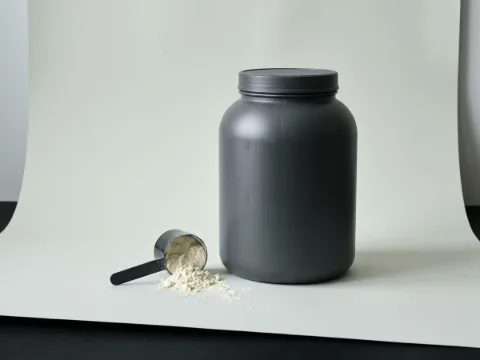
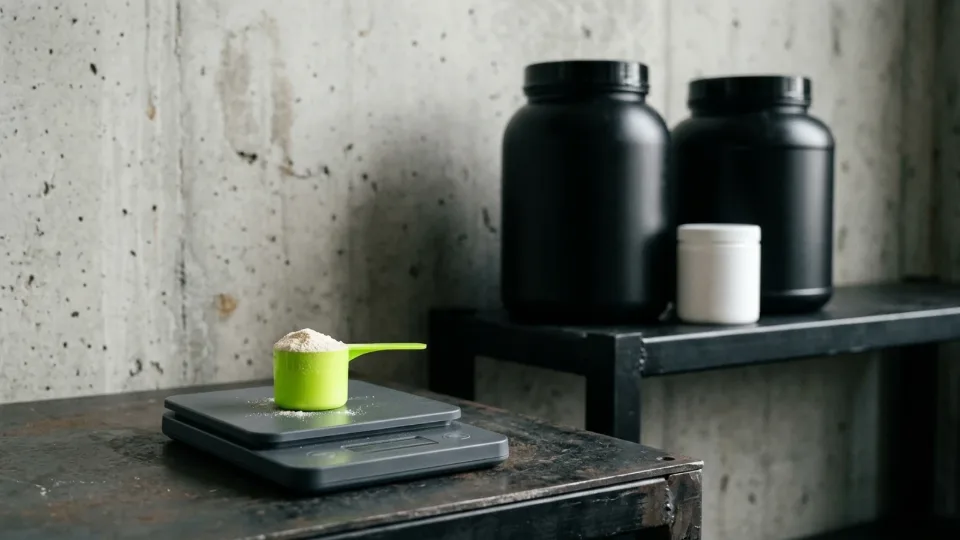
Divide the tub weight by the number of servings and you get the real scoop size. Our Whey Isolate lists 33 servings per kg, which works out at roughly 30 g a scoop, and at $64.99 for 1 kg that is just under $2 a serving. Do the same sum on any tub you are comparing. The scoop inside is easy to heap, so weigh one level scoop on a kitchen scale once and remember what it looks like.
Isolate, blend or plant
These words describe how the protein is made, and each comes with a trade-off.
- Whey isolate is filtered further, so it carries more protein per 100 g and less lactose and fat. It mixes thin and costs more. People who find regular whey sits heavily often get on better with isolate, though it is still a milk product.
- Whey blend mixes concentrate with isolate. Protein per 100 g is lower, the shake is creamier and the price per kilo drops. For most people having a shake after training, a blend is perfectly fine.
- Plant protein usually combines pea with rice or another source to round out the amino acids. Expect a thicker, earthier shake and slightly less protein per 100 g. Our Vegan Protein comes in chocolate and vanilla, 30 servings a tub, at $54.99.
Whichever you pick, a shake is a convenient way to help with daily protein intake. It does not replace meals, and it does nothing that food with the same protein would not.
Creatine: dose, and why loading is optional
Creatine monohydrate is the plainest and cheapest form. It supports repeated short, hard efforts such as heavy sets and sprints. The usual daily amount is 3 to 5 g, taken at whatever time of day you will actually remember.
Loading means taking around 20 g a day, split into four doses, for five to seven days, then dropping to 3 to 5 g. It fills your muscle stores sooner. Skip it, and a steady 5 g a day gets you to the same place in about three to four weeks, without the stomach upset some people get from big doses. If you are not in a hurry, there is no reason to load.
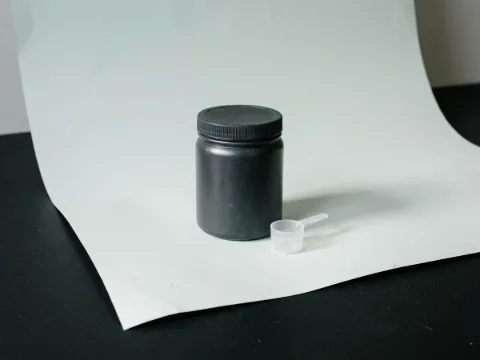
A 300 g tub of Creatine Monohydrate holds 60 servings of 5 g, so at $24.99 it comes to about 42 cents a day. The ingredients list should read creatine monohydrate and nothing else. A product with a blend name, added sugar or a long list of extras is usually charging you for the label.
Sweeteners and flavour
Flavoured powders are mostly sweetened with sucralose, acesulfame K, stevia or a mix, and each is listed by name in the ingredients. If you dislike the aftertaste of one, the label tells you which to avoid next time. Also look at carbohydrate per 100 g: a chocolate isolate with under 5 g is sweetened, not sugared. Unflavoured versions are worth having if you bake with protein or stir it into oats.
Allergens
Allergens are printed in bold in the ingredients list. Whey contains milk. Many powders also carry soy lecithin to help them mix. Then read the may-contain line, which covers what else runs through the same factory: milk, soy, egg, gluten, nuts. A plant protein can still carry a may-contain warning for milk, so a vegan label is not the same as milk free for someone with an allergy. Our whey isolate is listed as gluten free, but check every label rather than assuming.
The short version
Three numbers matter on every protein tub: protein per 100 g, the real scoop size and the price per serving. For creatine, look for one ingredient and 3 to 5 g a day. If you have a medical condition, ask your GP first.
Comments
0Leave your comment